Kunchan Smarakam: History, Historical, and Cultural Significance
 |
| Kunchan Smarakam Kerala |

Above image: Kunchan Smarakam Fort is a fitting memorial built as a tribute to a famous poet of Kerala - Kunchan Nambiar. The monument is converted into an institution for young people. Here they are trained by talented teachers or artists in various divisions of satirical art forms of Kerala, including ‘Parayan Thullal’. Artistes in this fort are provided training in three-year course on the art forms native to Kerala, including Ottanthullal, Seethankan Thullal and Parayan Thullal.......
 |
| Kunchan Smarakam Fort dtpcpalakkad.com |
In the vast landscape of Indian heritage, forts are predominantly named after formidable rulers, dominant dynasties, or the geographic terrain they defend. However, tucked away 30 kilometers from Palakkad town in Killikkurissimangalam (Lakkidi) is a striking anomaly: the Kunchan Smarakam Fort. In the strict military sense, using the word "fort" here is a misnomer. Rather, it is a living monument, a cultural citadel, and a historical institution dedicated entirely to the memory and legacy of Kunchan Nambiar—one of Kerala’s most illustrious, versatile classical poets and performers. Derived from Sanskrit, the word Smarakam translates to "memorial," making this site a unique tribute to artistic genius over royal conquest.
Historical Origins and the Genesis of Thullal
The historical significance of Kunchan Smarakam is deeply intertwined with the lifecycle of Kunchan Nambiar. Born in Killikkurissimangalam, Nambiar spent his formative years in Kudamaloor and Ambalappuzha, eventually earning the patronage of the royal courts of King Marthanda Varma in 1748 and later King Karthika Thirunal Rama Varma. (While some historians debate whether Kunchan Nambiar and the Sanskrit poet Rama Panivada were the same person, his status as a giant of Malayalam literature remains undisputed).
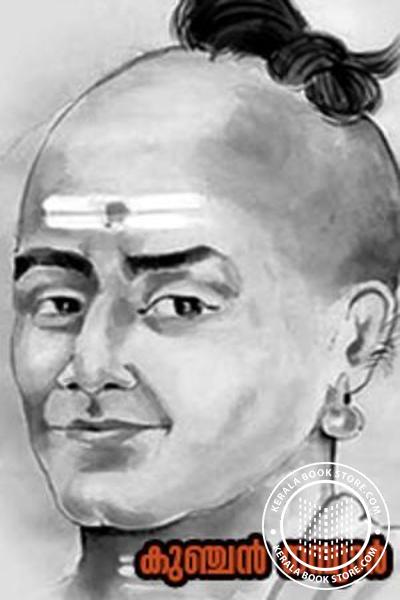 |
| Kunchan Nambiar Malayalam poet and artist. keralabookstore.com |
 |
| Seethankan Thullal a semi-classical dance form of Kerala .blogspot.com |
The origin story of the monument's core art form is a legendary tale of creative resilience. Nambiar studied under the tutelage of the famous storyteller Pothiyil Rama Chakyar, a master of Chakyar Koothu—a traditional, highly Sanskritized performance where artists narrate stories while being permitted to satirize and tease the audience, including royalty. Nambiar served as a Mizhavu (drum) player for the Chakyar. During a major temple festival performance, Nambiar made a glaring mistake on the drum. Publicly reprimanded and humiliated by the Chakyar, Nambiar left the stage dejected.
 |
| Seethankan Thullal .keralatourism.org |
Above image: Seethankan Thullal, a dance and poetic performance form in Kerala,is one of the three major thullal forms of this state. Performed in a very slow tempo it gives more importance to gestures than vocal action.The Thullal art forms came into being in the 18th Century Kerala to make the common people understand the language and the style of performers..........

Above image: Usually,conducted in the morning time in this art form Sanskrit metre Mallika is commonly used.The tempo being slow, the performer explains the meanings of the songs by using gestures. There is very little element of song by the performer who has to stand erect most of the time.The stories of Parayan thullal are commonly related to spiritual matters........
Instead of yielding to defeat, Nambiar returned the following day with an entirely new, improvised art form designed to compete with the rigid structures of Koothu. He began singing and dancing on the same premises. His performance combined sharp wit, simplified Malayalam verses instead of heavy Sanskrit, and dynamic physical antics. The audience abandoned the Chakyar's recital to watch Nambiar, giving birth to Ottamthullal, a solo performing art that democratized performance poetry in Kerala.
Cultural Significance and Architectural Purpose
Today, the Kunchan Smarakam serves as a crucial repository for Kerala’s native art forms, operating as a three-year training institution supported by the Kerala Government. At a time when traditional, centuries-old art forms face a global decline due to a lack of patronage, this memorial ensures that native performance styles are systematically passed down to younger generations.
The institution focuses primarily on the three distinct variations of the satirical Thullal tradition created and structured by Nambiar:
Ottamthullal: The most popular variation, characterized by high-paced rhythms, vivid facial expressions, and vibrant storytelling.
Seethankan Thullal: A semi-classical format performed at a more measured tempo.
Parayan Thullal: A slower, more recitation-heavy variant focusing on clarity of narrative verses.
The structure itself is designed to support academic and cultural immersion. It features a well-furnished library dedicated to ancient Malayalam literature and research, as well as an auditorium where budding students can hone their stage presence under the guidance of expert artists.
Legacy and Modern Celebrations
The cultural impact of Kunchan Smarakam peaks during its vibrant annual festivals. The monument acts as a grand stage during Navaratri and the grand Thullal festivals. Most notably, the fifth day of May—celebrated as Kunchan Nambiar’s birthday—draws massive crowds of locals and tourists to the fort premises. During these events, young artists perform with intense devotion, honoring Nambiar’s pioneering vision of using humor, social satire, and accessible language to critique society.
Ultimately, Kunchan Smarakam stands as a monumental achievement in cultural preservation. By transforming a historical residence into an active academy, it ensures that the spirit of social critique through performance remains structurally protected, securing Kerala's age-old artistic traditions on a permanent pedestal.
K. N. Jayaraman (Author: navrangindia.blogspot.com)


